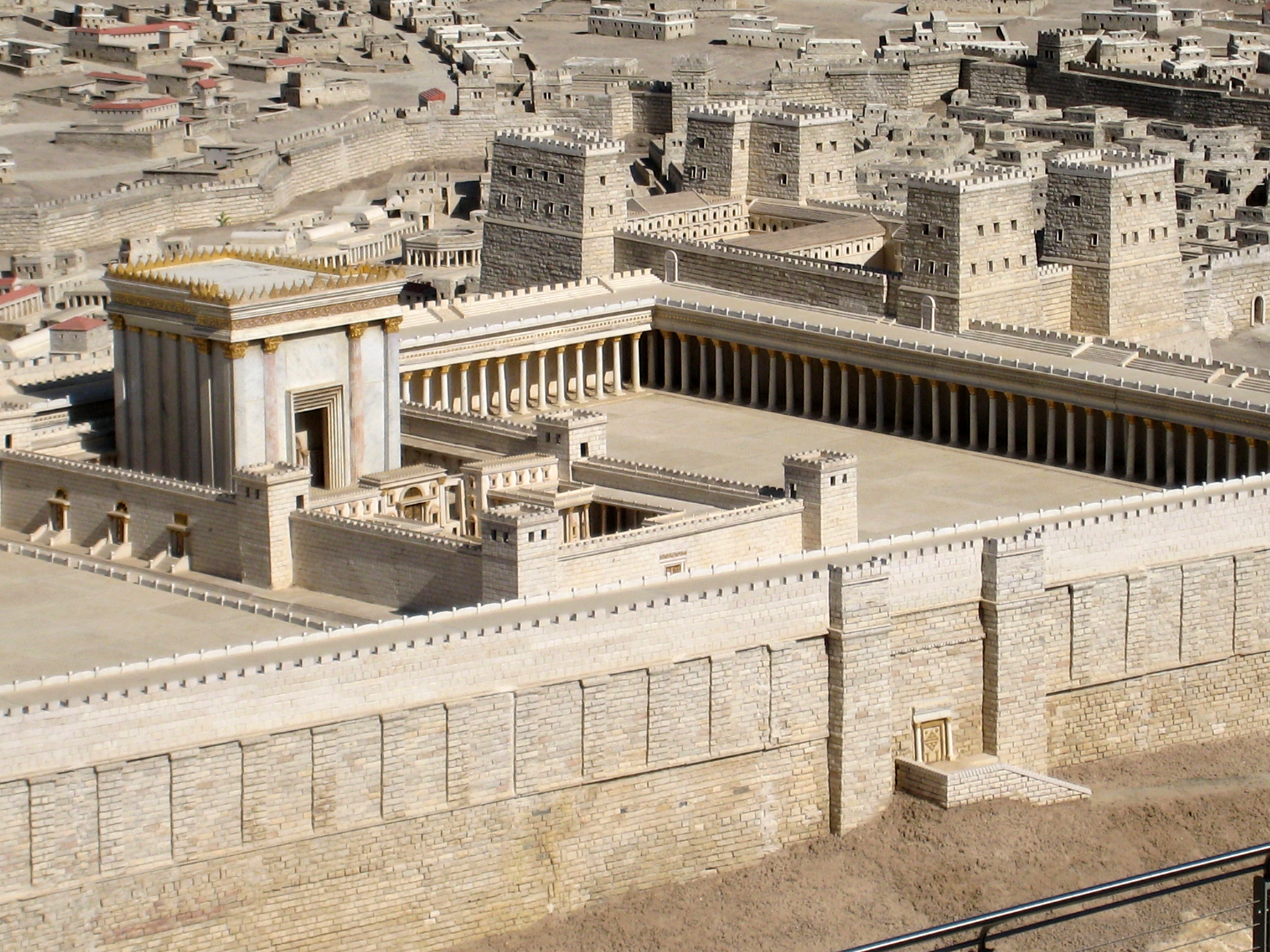
“And when the chief priests and the scribes heard it, they kept looking for a way to kill [Jesus], for they were afraid of him because the whole crowd was spellbound by his teaching” (Mark 11:18).
What so unsettled Jewish religious and political leaders at Jerusalem that they wanted to kill a rabbi from Galilee? He had publicly protested in a bold act of civil disobedience!
The Gospel of Mark says Jesus entered the temple and drove out people selling and buying. He overturned tables of the money changers and the seats of dove sellers. He stopped all movement of merchandise. Then he quoted Isaiah 56, “’My house shall be called a house of prayer for all the nations.’ But you have made it a den of robbers!”
Nothing scares corrupt powerbrokers more than protesters gaining an audience. Chief priests and scribes controlled the temple complex at Jerusalem and apparently enriched themselves by overcharging for sacrificial animals and overcharging to exchange foreign currency. They did not want to upset their financial racket or the cozy relationship they had with Rome.
Religious and political leaders at Jerusalem were ready to give protesters a lesson and shed a little blood if necessary. High Priest Caiaphas told fellow members of the governing class, “it is better for you to have one man die for the people than to have the whole nation destroyed” (John 11:50).
JESUS WAS PROTESTING MORE than economic injustice when he demonstrated in the temple. By his choice of Old Testament text, he put immigration and racism in the spotlight. Isaiah 56 says,
“Maintain justice, and do what is right . . . “Do not let the foreigner joined to the Lord say, ‘The Lord will surely separate me from his people’ . . . “And the foreigners who join themselves to the Lord . . . these I will bring to my holy mountain and make them joyful in my house of prayer . . . for my house shall be called a house of prayer for all peoples”
All peoples! Ethiopian eunuchs! Somalis! Immigrants!
Jesus was no anarchist. Like Paul and Peter after him, he related respectfully—even pastorally—to Jewish and Roman leaders. But there came a time to act, to speak, and to confront. Breaking the law should be a last resort for followers of Jesus. But especially in a democracy, Christians can speak up promptly with legal protest when injustice and cruelty run rampant.
DON’T BE MISLED by Bible illustrations that show Jesus whipping money changers in the temple. Probably didn’t happen.
It’s only in the Gospel of John that a whip is mentioned: “Making a whip of cords, he drove all of them out of the temple, with the sheep and the cattle. He also poured out the coins of the money changers and overturned their tables. He told those who were selling the doves, ‘Take these things out of here! Stop making my Father’s house a marketplace!’”
Jesus improvised a whip to move sheep and cattle. But given his consistent refusal to coerce anybody, it’s unlikely he used the whip on people. Christian protesters today do well to follow Jesus’ nonviolent example. We do well to cultivate respectful relations with government representatives. But the time may come to speak, to act, to confront.
There are risks. That protester they killed was Jesus.
 Holy Lands Peace Pilgrim